As the world celebrates International Women’s Day in March, this year carries even greater significance as 2026 marks the International Year of the Woman Farmer, a global recognition of the critical role women play in shaping sustainable food systems and rural economies.
At Floresta Tanzania, this reality is already evident. Women make up more than 70% of beneficiaries, playing a central role in advancing sustainable agriculture, environmental conservation and household resilience.
One such example is Elizabeth, a 60 year old farmer from a village in Moshi District, Kilimanjaro Region. A mother of eight and a dedicated member of Mkombozi VSLA Group managed by Floresta Tanzania. Her journey reflects the power of knowledge, determination and opportunity.
Championing Sustainable Agriculture Through Knowledge and Practice
Through agroecology training provided by Floresta Tanzania, Elizabeth strengthened her knowledge and practical skills in organic spice and herb production, soil health management, organic pest control, sustainable land use and proper post-harvest handling.
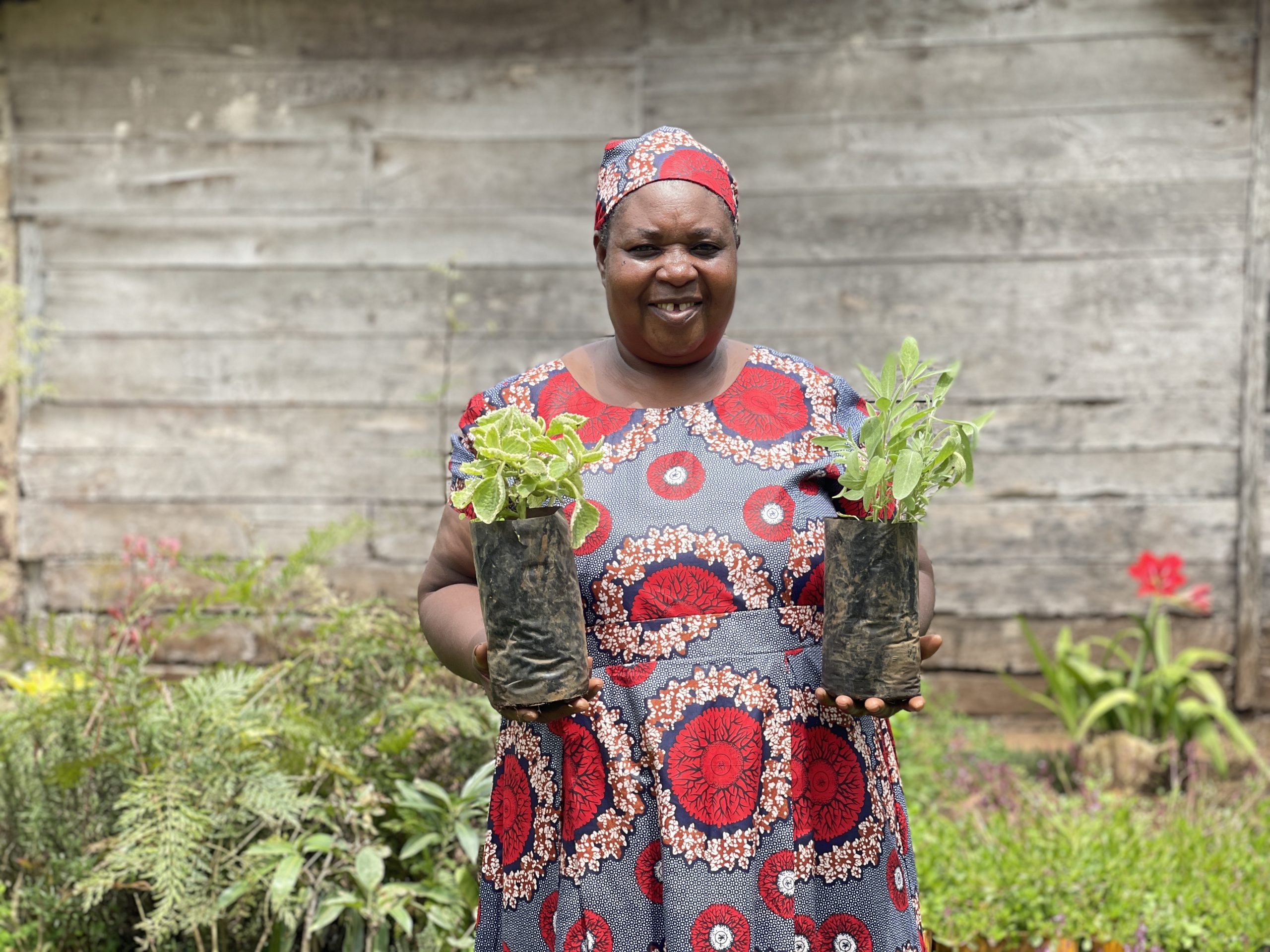
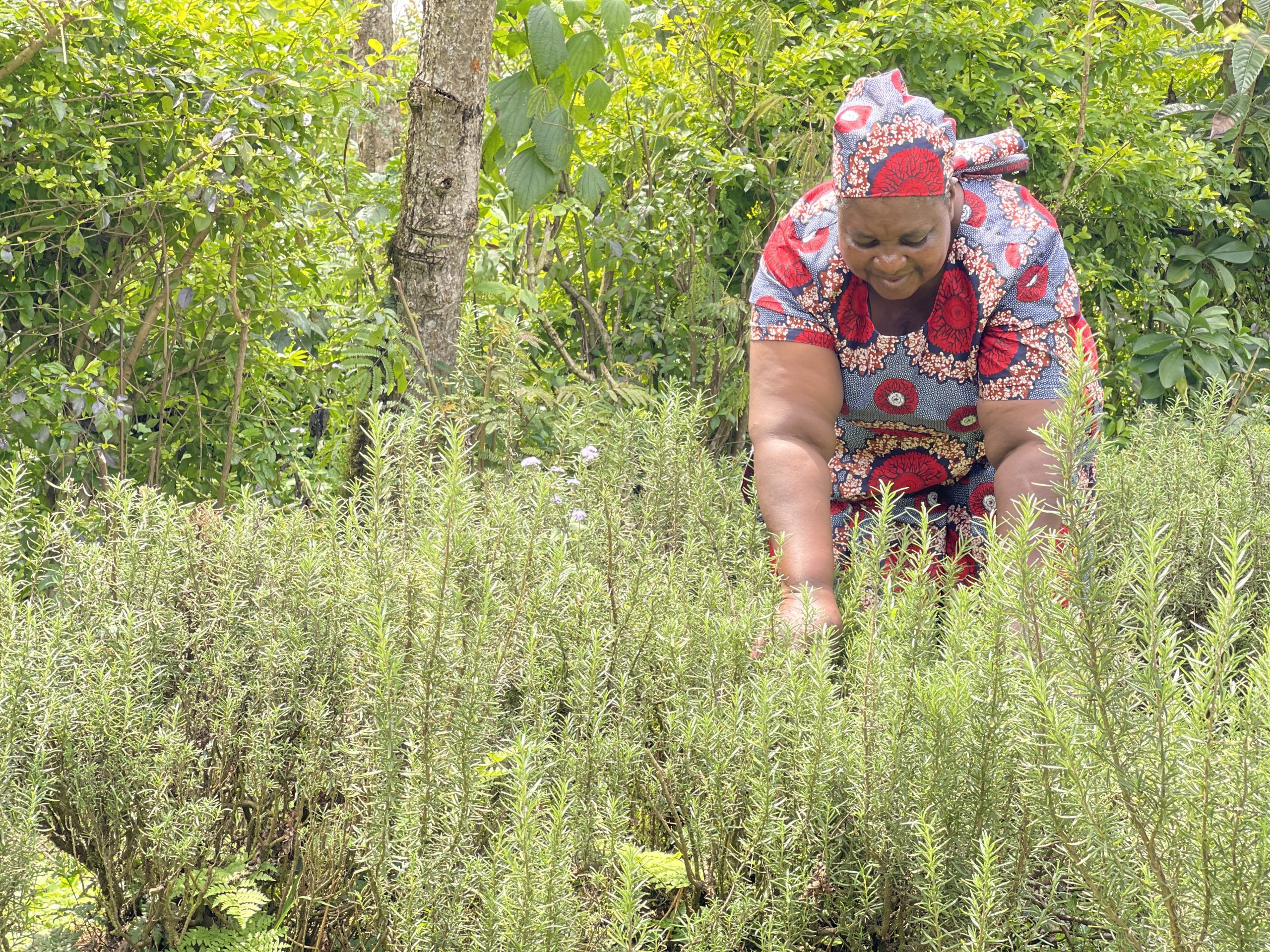
She has fully transitioned to organic production practices for crops such as turmeric, oregano, rosemary, mint, and other culinary herbs. By applying compost, farmyard manure, and natural pest control methods, she maintains soil fertility while reducing environmental harm.
Her adoption of diversified cropping systems has improved biodiversity on her farm and strengthened resilience to changing weather conditions demonstrating how women farmers are leading the shift toward sustainable agriculture.
Driving Value Addition and Unlocking New Income Opportunities
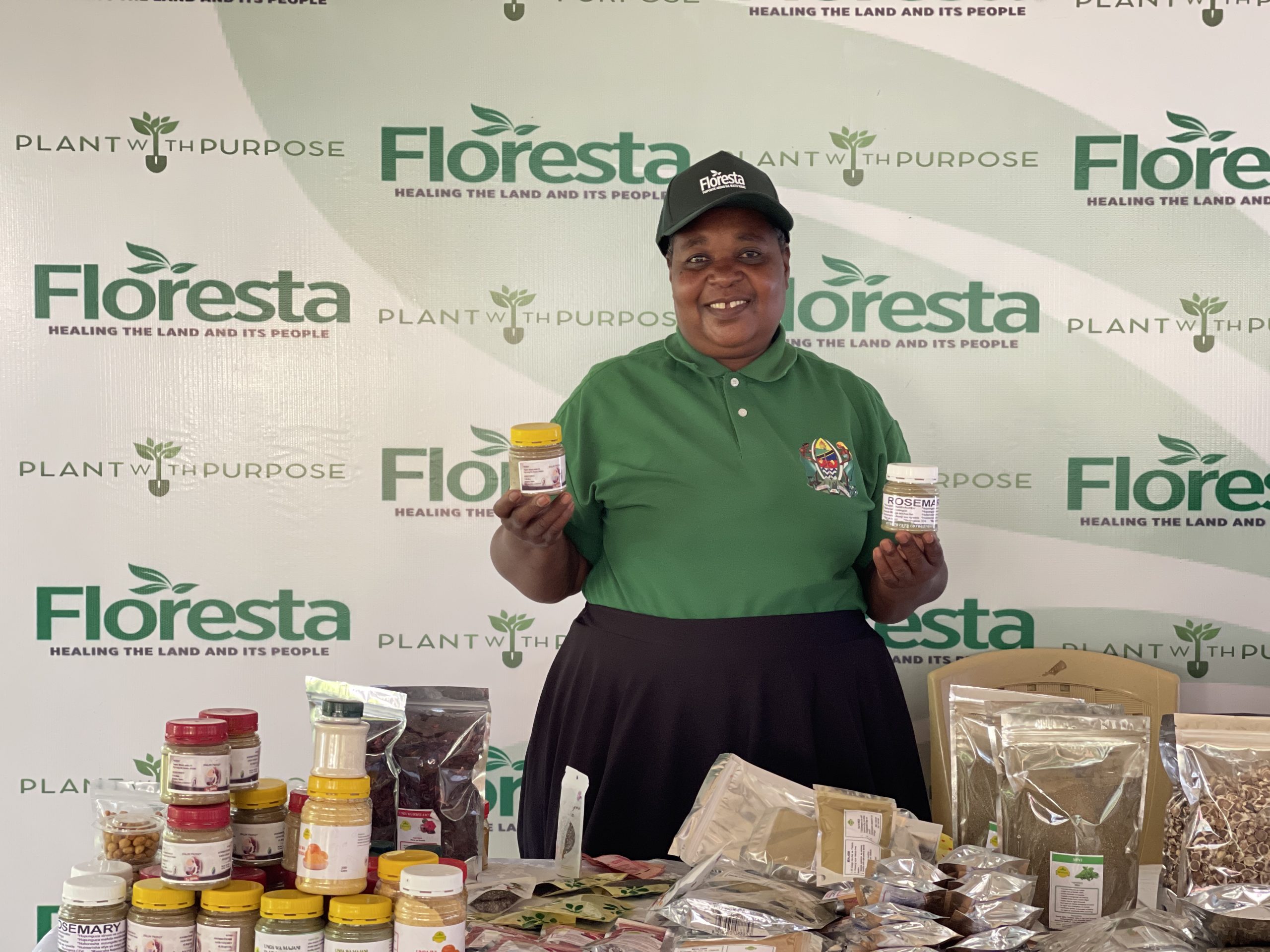
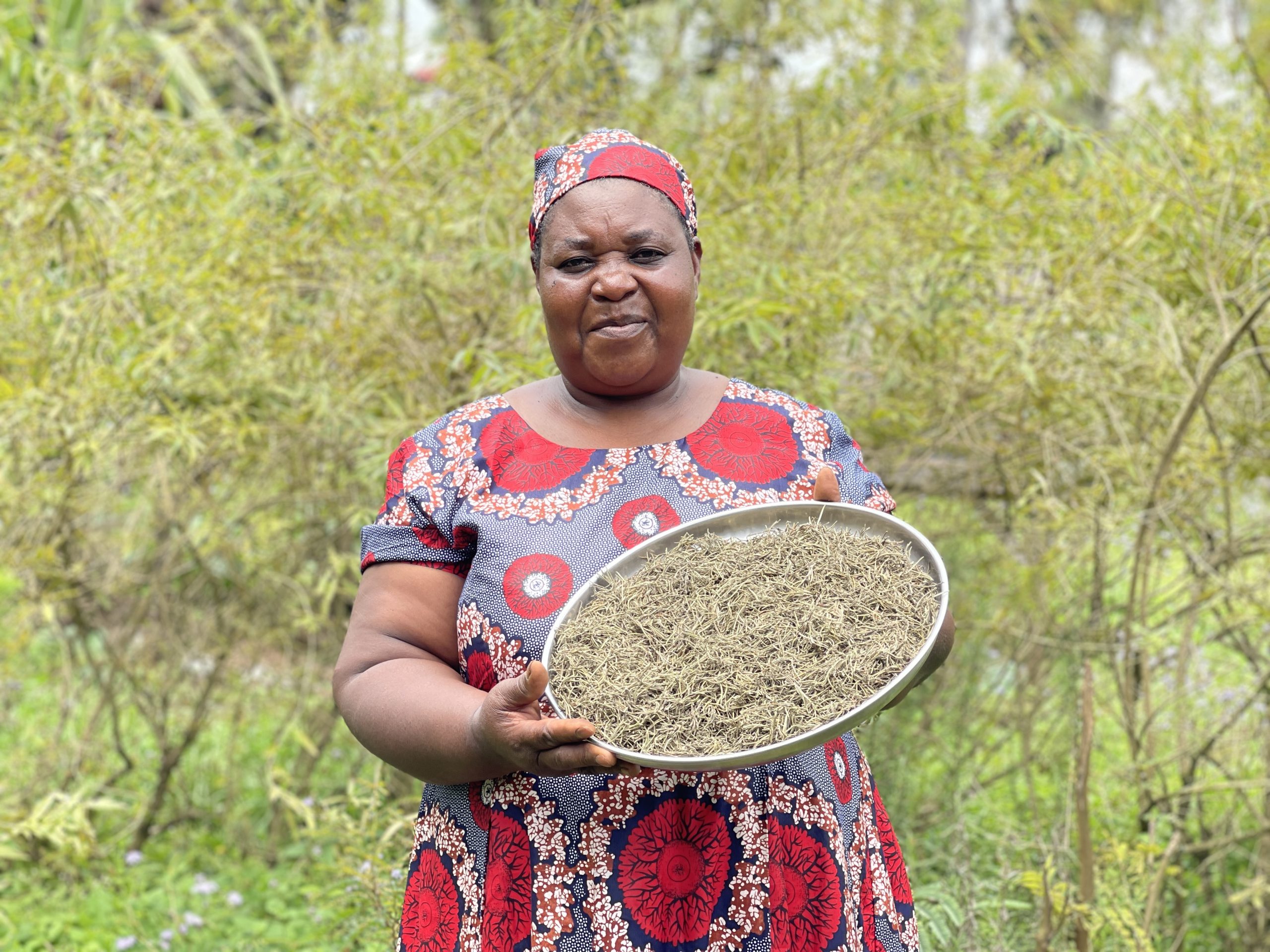
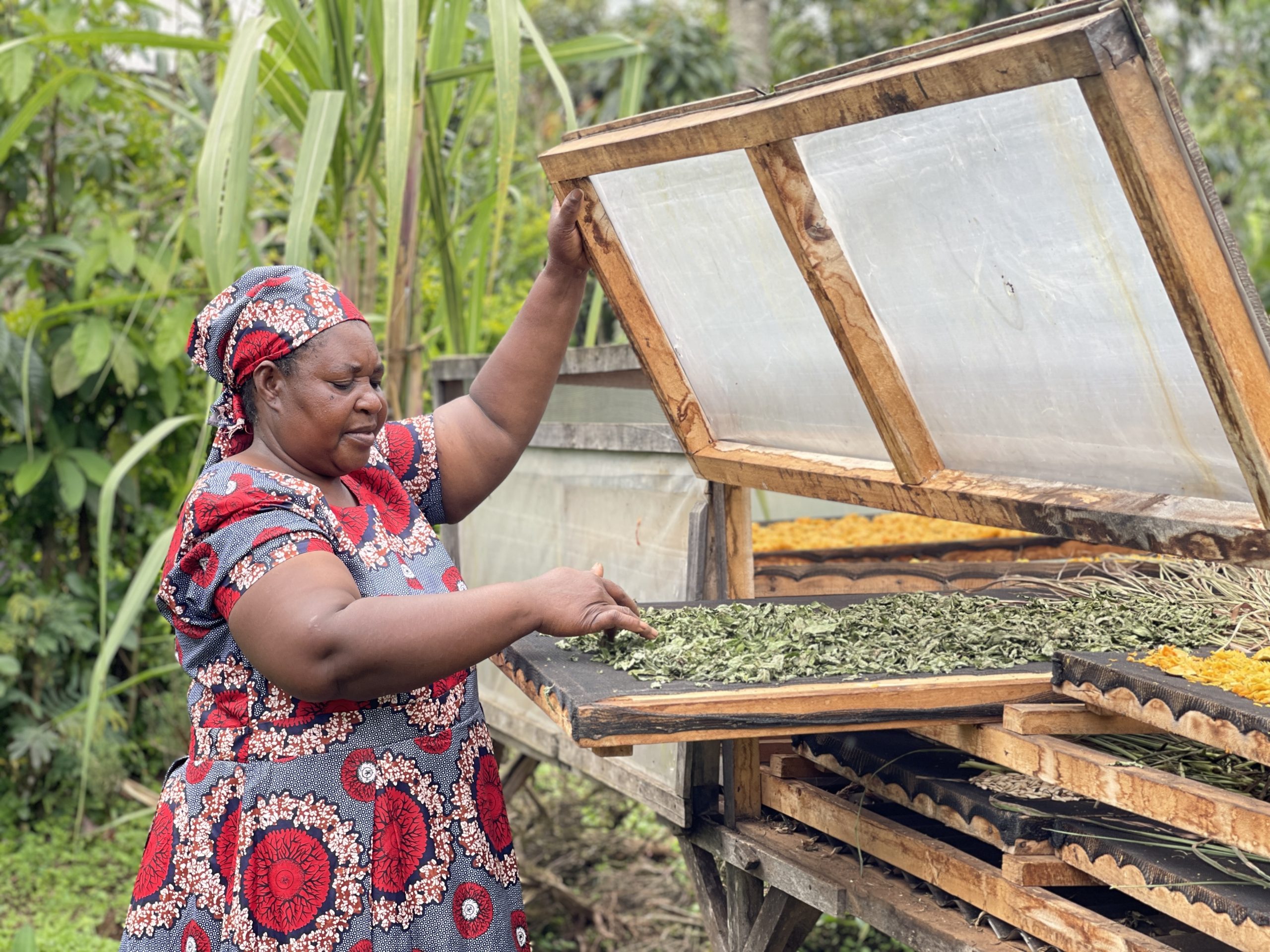
Elizabeth has moved beyond traditional farming by embracing value addition transforming raw agricultural products into higher-value goods. Using a solar dryer and grinding machine, she processes her spices into well packaged products that meet market standards. She has also diversified into banana flour production and medicinal powder from avocado seeds.
Through simple, affordable and environmentally friendly processing techniques, she has increased the value of her products while maintaining quality and sustainability proving the critical role women play in strengthening agricultural value chains.
Accelerating Household Income and Economic Empowerment
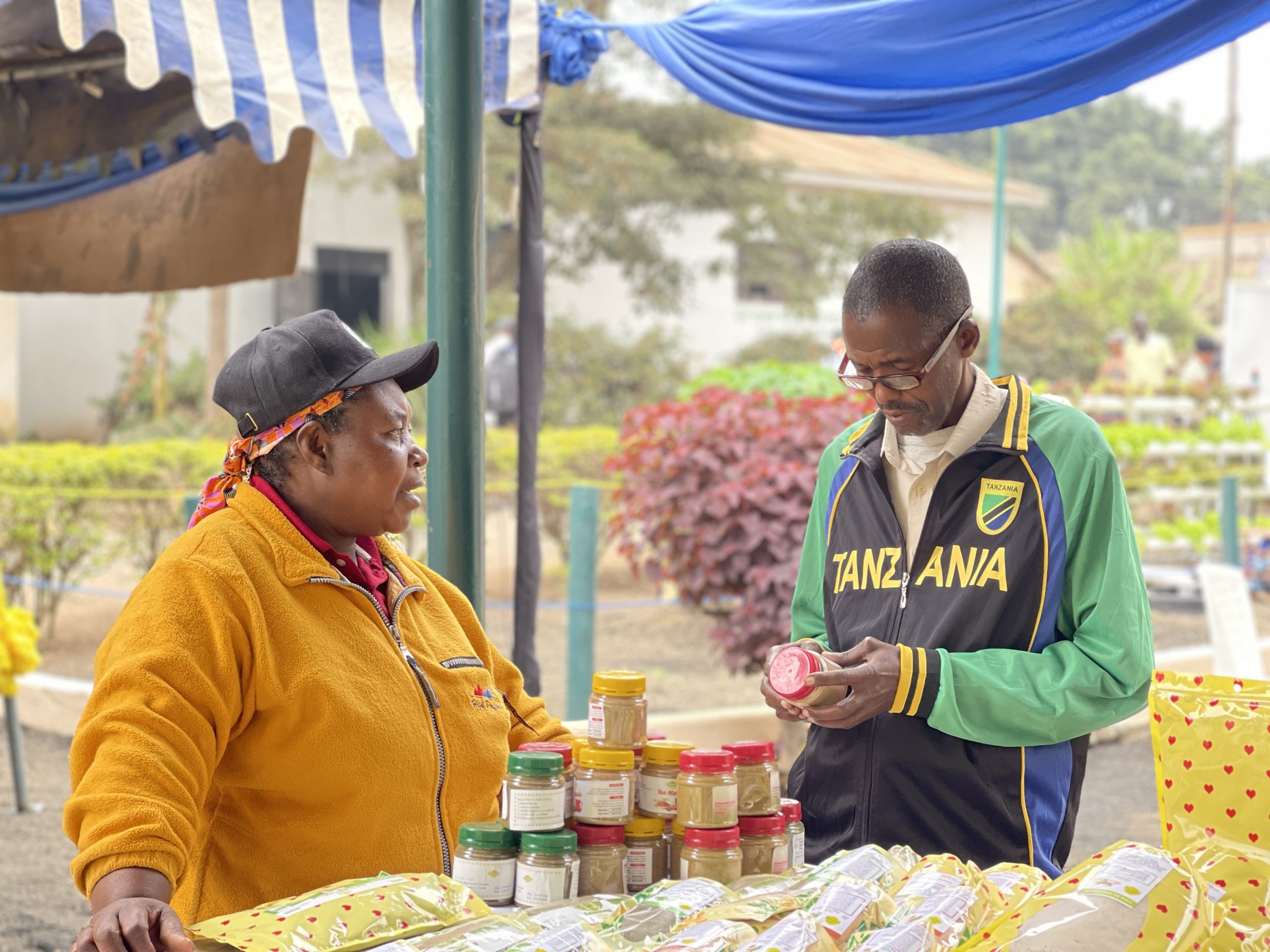
Elizabeth’s shift to value added production has resulted in significant economic transformation. In 2022, she expanded her production capacity and established approximately 20 market linkages beyond Moshi District. While she previously earned an average of TZS 15,000 per month from raw spice sales, she now generates up to TZS 200,000 within just eight days during peak sales periods.
This progress has strengthened her household economy, enabling reinvestment in farm expansion, improved packaging and upgraded processing equipment highlighting the direct link between women’s economic empowerment and household resilience.
Leading Environmental Conservation at Farm Level
Elizabeth’s farming practices contribute directly to environmental conservation and climate resilience. The use of organic manure and natural pesticides has improved soil health while reducing production costs. Crop diversification has enhanced biodiversity and strengthened her farm’s ability to withstand climate variability.
Her reliance on locally available inputs and low cost technologies presents a practical and replicable model for sustainable agriculture demonstrating how women farmers are at the forefront of environmental stewardship.
Inspiring Women and Building the Next Generation of Farmers
Beyond her own success, Elizabeth plays an important role in influencing and supporting other women in her community. Within Mkombozi Group, she has become a role model, encouraging other women to adopt value addition practices and improve their livelihoods. Her willingness to share knowledge has strengthened peer learning and increased women’s participation in local markets.
She has also passed her skills to her daughter, who is now self employed after learning organic production and processing techniques. Her efforts continue to inspire a new generation of women to view agriculture as a viable and rewarding pathway.
Recognizing Women Farmers as Drivers of Change
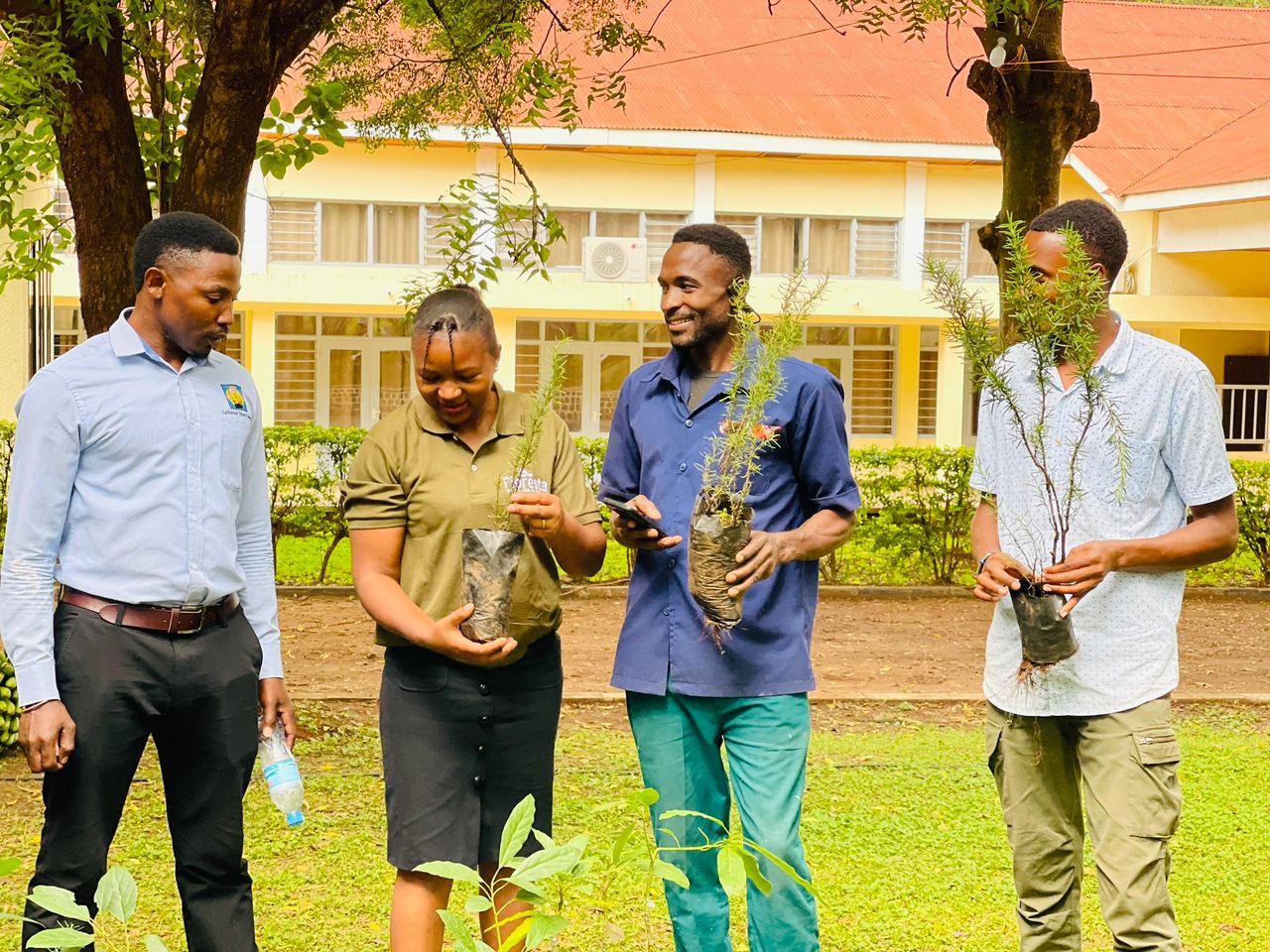
As the world marks both International Women’s Day and the International Year of the Woman Farmer, stories like Elizabeth’s highlight the importance of investing in women farmers. Women are not only participants in agriculture; they are key drivers of innovation, sustainability, and economic growth.
At Floresta Tanzania, the commitment remains to strengthen women’s capacity through access to knowledge, ensuring that more women can lead, thrive and transform their communities.
For privacy and protection, a pseudonym has been used.