
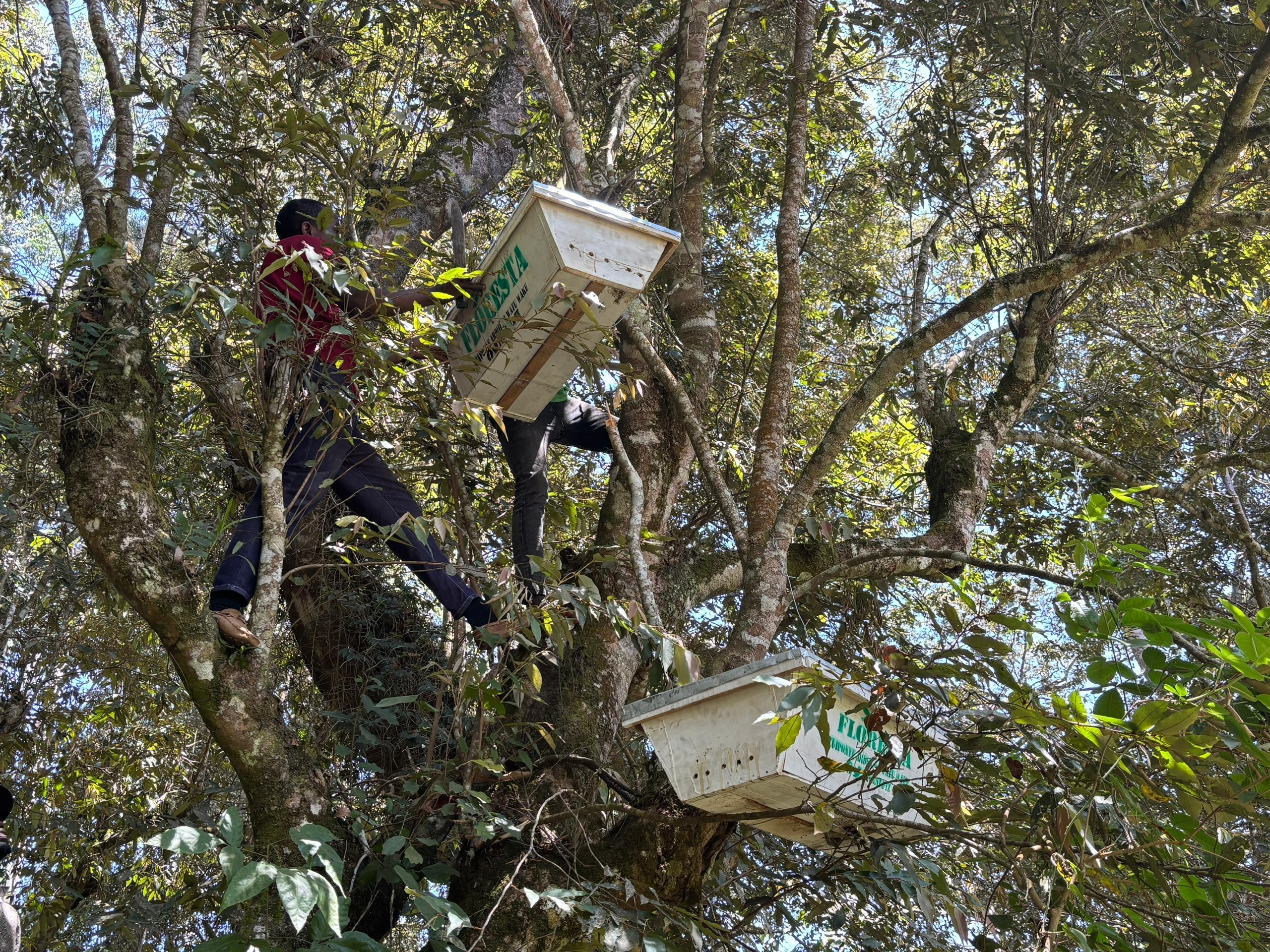
For many rural households, creating reliable sources of income while protecting the environment remains an important part of building sustainable livelihoods. Through its community based approach, Floresta Tanzania is supporting Village Savings and Loan Association (VSLA) groups with practical knowledge and skills that can help them diversify their livelihoods and make better use of available natural resources.
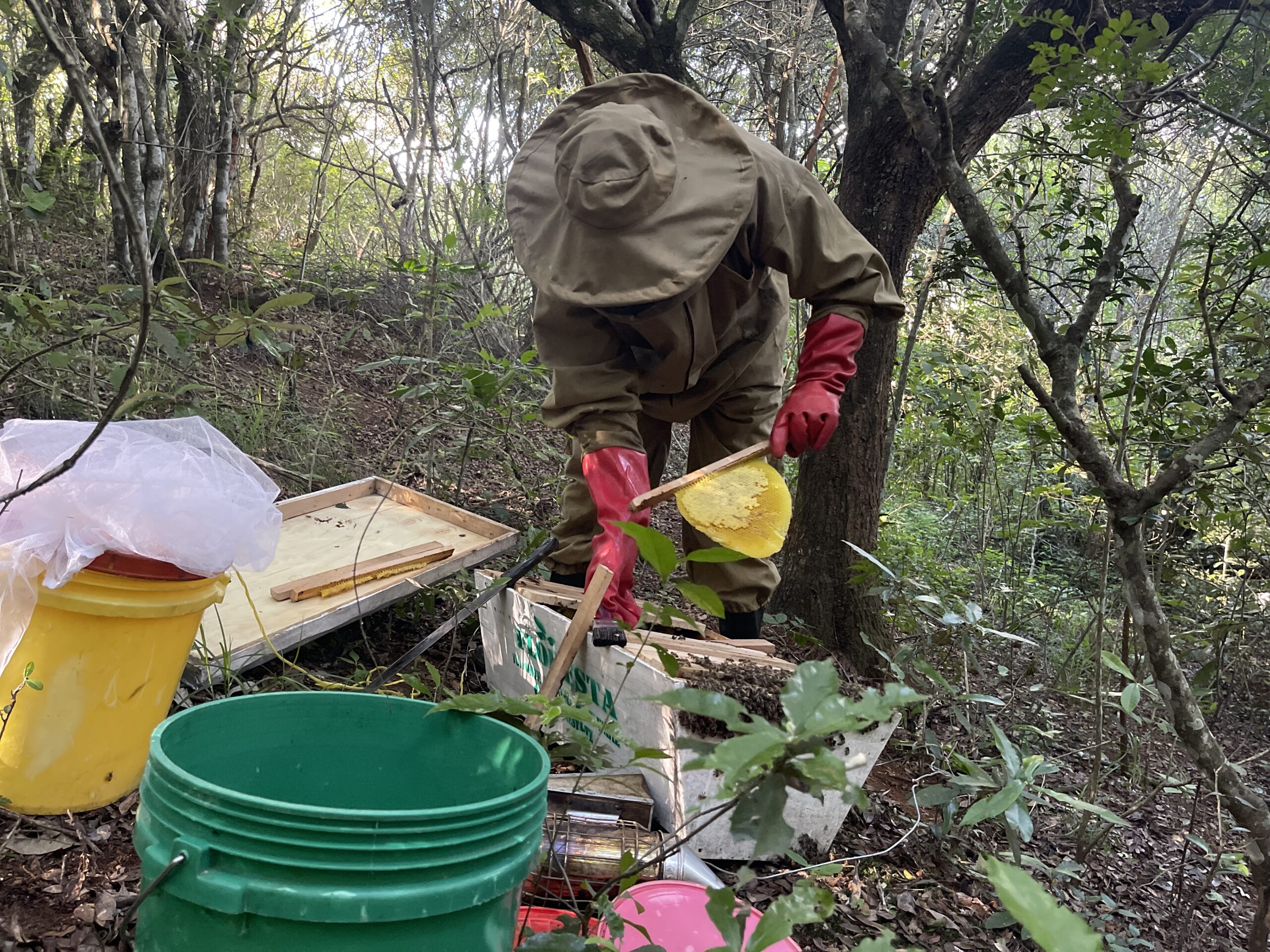
One of the areas of training provided to VSLA groups is beekeeping. The training introduces members to basic beekeeping practices, hive management, honey harvesting, and the importance of protecting bees and their natural habitats.
The training is now beginning to show results as some VSLA groups have started harvesting honey and selling it collectively as a group activity.
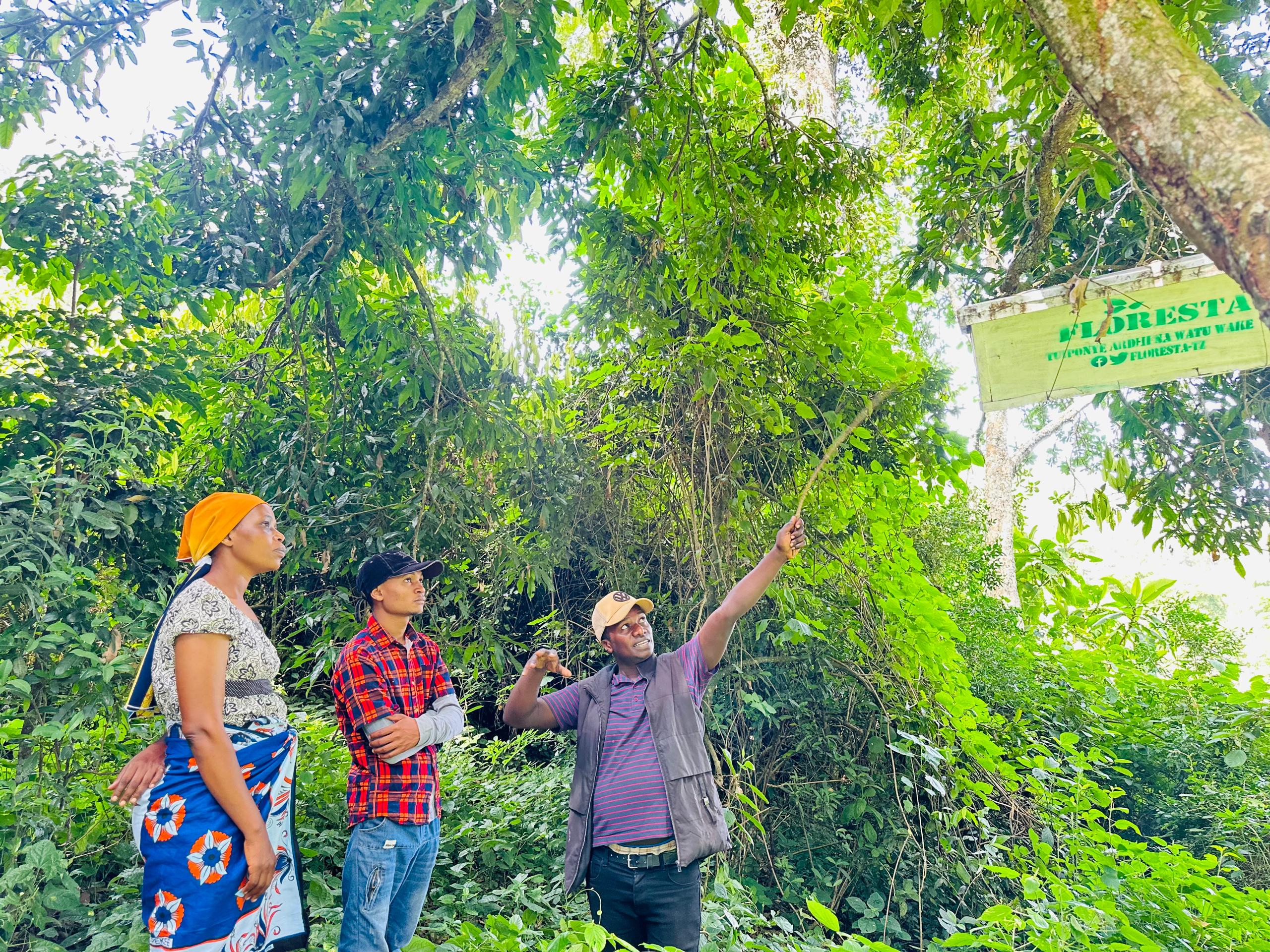
Turning Training into a Group Income Activity
For VSLA members, training is most valuable when the knowledge gained can be applied in ways that improve their livelihoods. Following the beekeeping training, members have started putting their knowledge into practice by keeping bees and managing their hives.
As the colonies develop, the groups are beginning to harvest honey. Rather than treating the honey only as a household product, members are exploring its potential as a group income-generating activity by selling their honey collectively.
The income generated from honey sales provides another opportunity for groups to strengthen their savings and create an additional source of income alongside their existing VSLA activities.
This is particularly important for rural families whose livelihoods often depend on farming and other activities that can be affected by changing weather conditions, limited market opportunities, and environmental challenges. 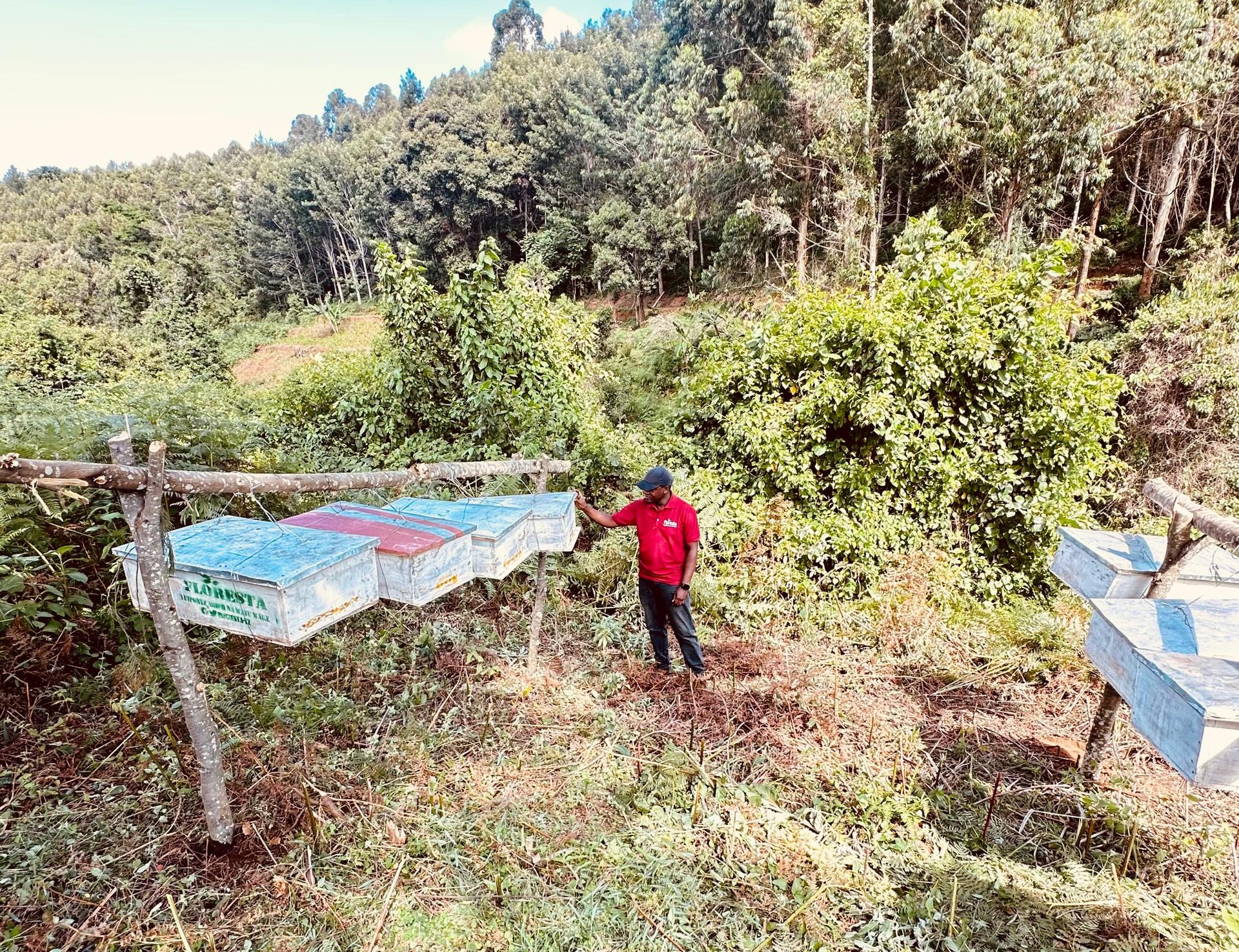
Beekeeping Supporting Environmental Restoration
The benefits of beekeeping extend beyond income. Bees play an important role in pollination, supporting the reproduction of many plants and contributing to healthy agricultural and natural ecosystems.
By encouraging communities to keep bees, the training also creates an incentive to maintain environments where bees can thrive. Trees, flowering plants, and other vegetation provide bees with food and suitable habitats, creating a natural connection between beekeeping and environmental restoration.
For communities working to restore degraded land, practices that generate income while encouraging the protection of vegetation can provide an important pathway towards more sustainable land management.
From Skills to Sustainable Livelihoods
The experience of the VSLA groups demonstrates how practical training can lead to opportunities that benefit both people and the environment.
Members are gaining skills that they can apply beyond the training sessions, while the honey harvested from their hives is becoming a product that can generate income for the group. At the same time, maintaining healthy bee populations depends on an environment with sufficient trees, flowering plants, and other vegetation.
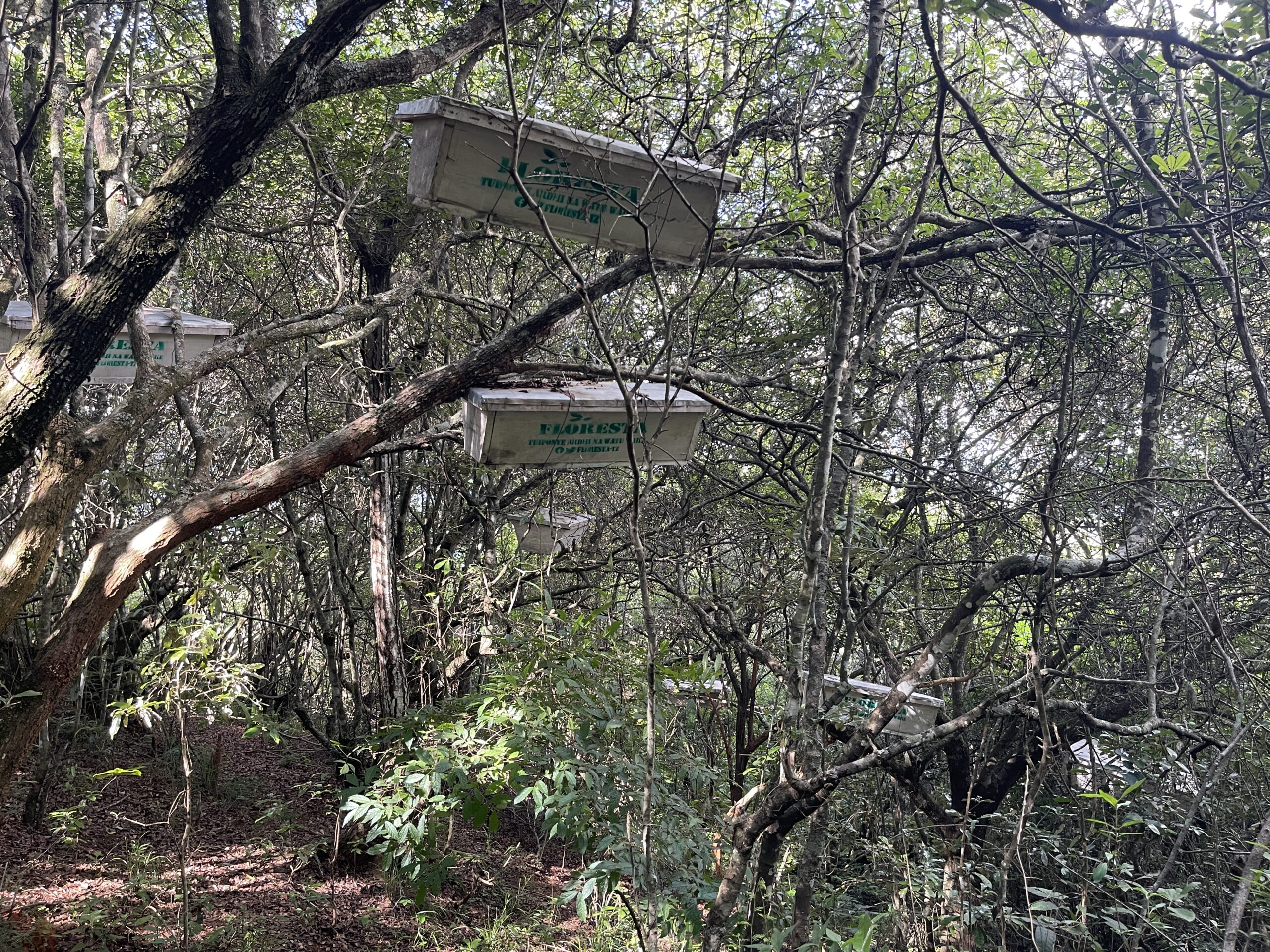
This creates a cycle where environmental restoration supports beekeeping, and beekeeping creates an economic reason to value and protect the environment.
For Floresta Tanzania, supporting VSLA groups with practical skills such as beekeeping is part of a broader effort to help communities build more resilient and sustainable livelihoods. As groups continue to manage their hives, harvest honey, and develop markets for their products, beekeeping has the potential to become an increasingly valuable group enterprise.