
For many rural households, relying on a single source of income can make it hard to cope with life’s uncertainties. A poor harvest, a sudden illness, shifting market prices, or an unexpected household expense can quickly strain a family’s ability to meet its daily needs.
At Floresta Tanzania, the fight against poverty goes beyond simply helping people earn an income. It focuses on helping individuals and families build multiple sources of income, so they can become more financially resilient and better positioned to improve their livelihoods over time.
Through three interconnected programs, Economic Empowerment, Environmental Restoration and Spiritual Renewal, Floresta Tanzania equips communities with access to finance, practical skills, knowledge, and opportunities to build stronger, more diverse livelihoods.
Laying the Financial Foundation
This journey often begins with the Economic Empowerment Program, particularly through Village Savings and Loan Associations (VSLAs). For many people in rural communities, accessing loans from formal financial institutions is difficult. VSLAs close that gap, allowing members to save together and borrow within their own groups, often at low interest rates.
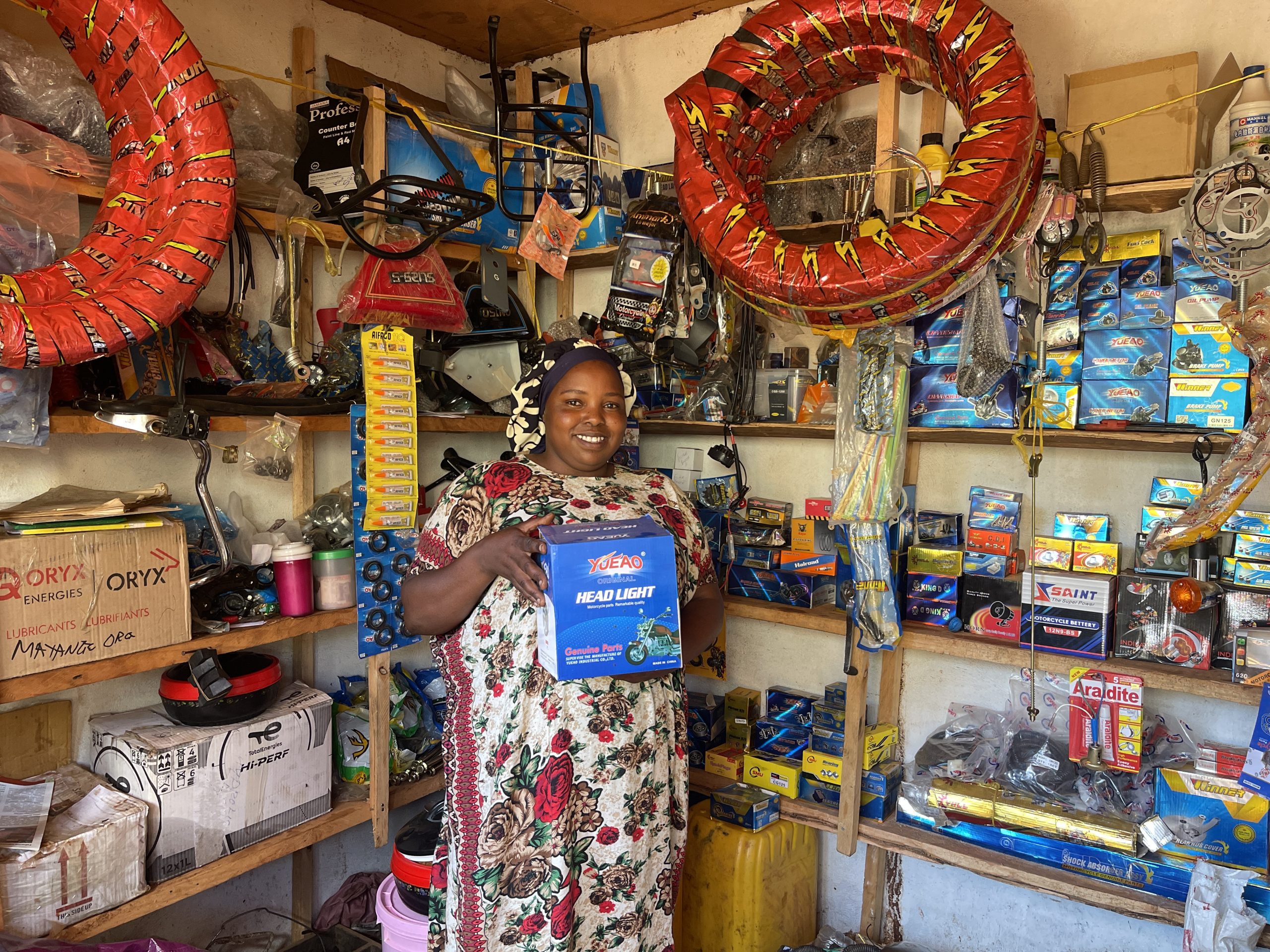
These loans give beneficiaries who may otherwise lack access to formal credit a chance to invest in income-generating activities, whether starting or expanding a small business, investing in agriculture, or purchasing productive assets. At the same time, the discipline of regular saving helps households build a financial cushion for when needs arise.
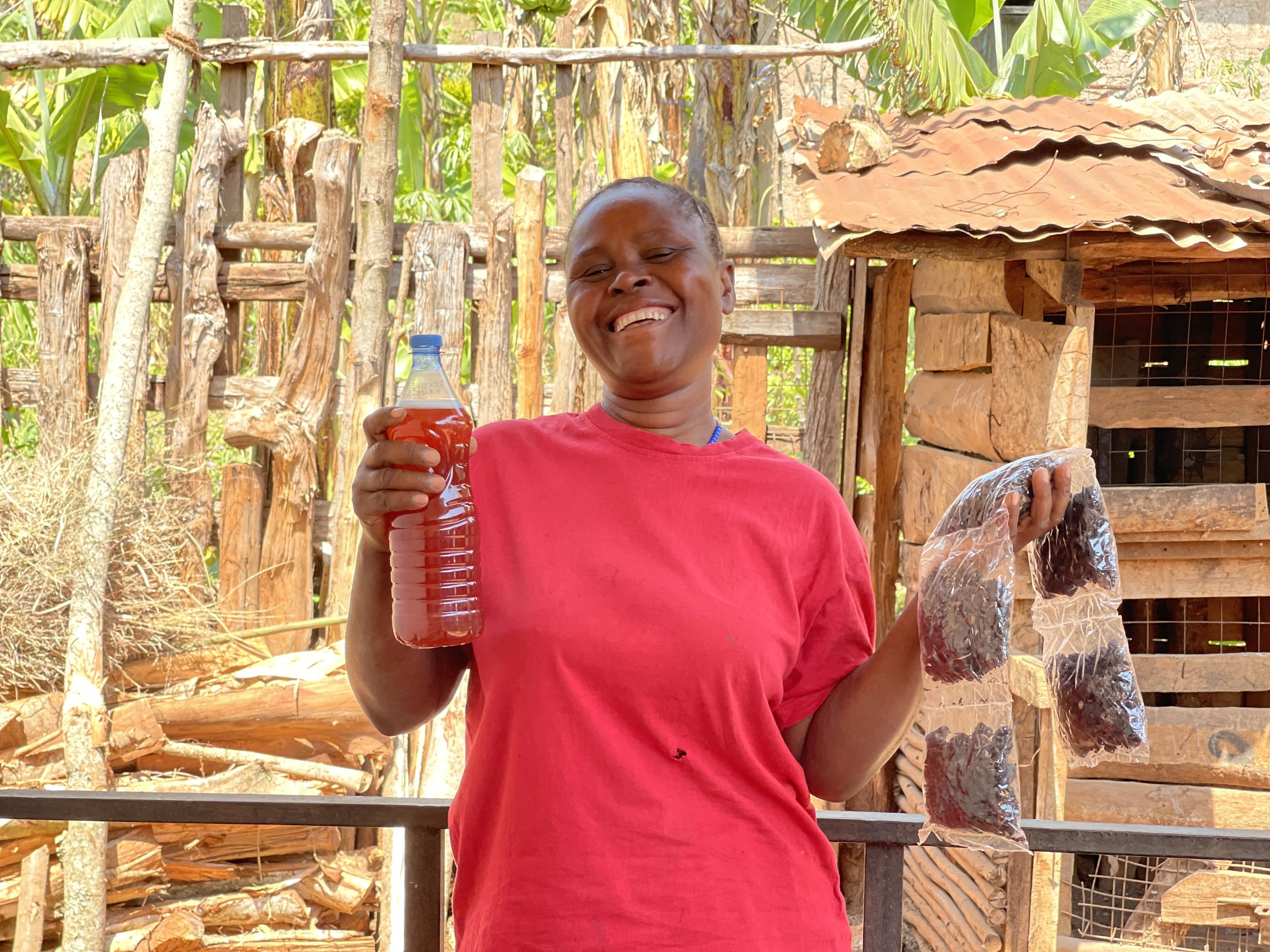
Floresta complements this access to finance with practical skills training. Through activities such as soap making and tie-and-dye (batik making) community members gain skills that can be turned into small businesses and additional income streams. Economic empowerment, then, is not only about access to money, it is about building the ability to save, borrow responsibly, invest wisely, and create opportunity.
When Conservation Creates Economic Opportunity
The opportunity to diversify income extends well beyond savings groups and small businesses. Through the Environmental Restoration Program, the knowledge and skills communities gain in conservation also open new economic doors. Farmers are supported to adopt sustainable practices such as agroforestry and environmentally friendly farming methods, practices that restore the health of the land while creating new ways to earn.
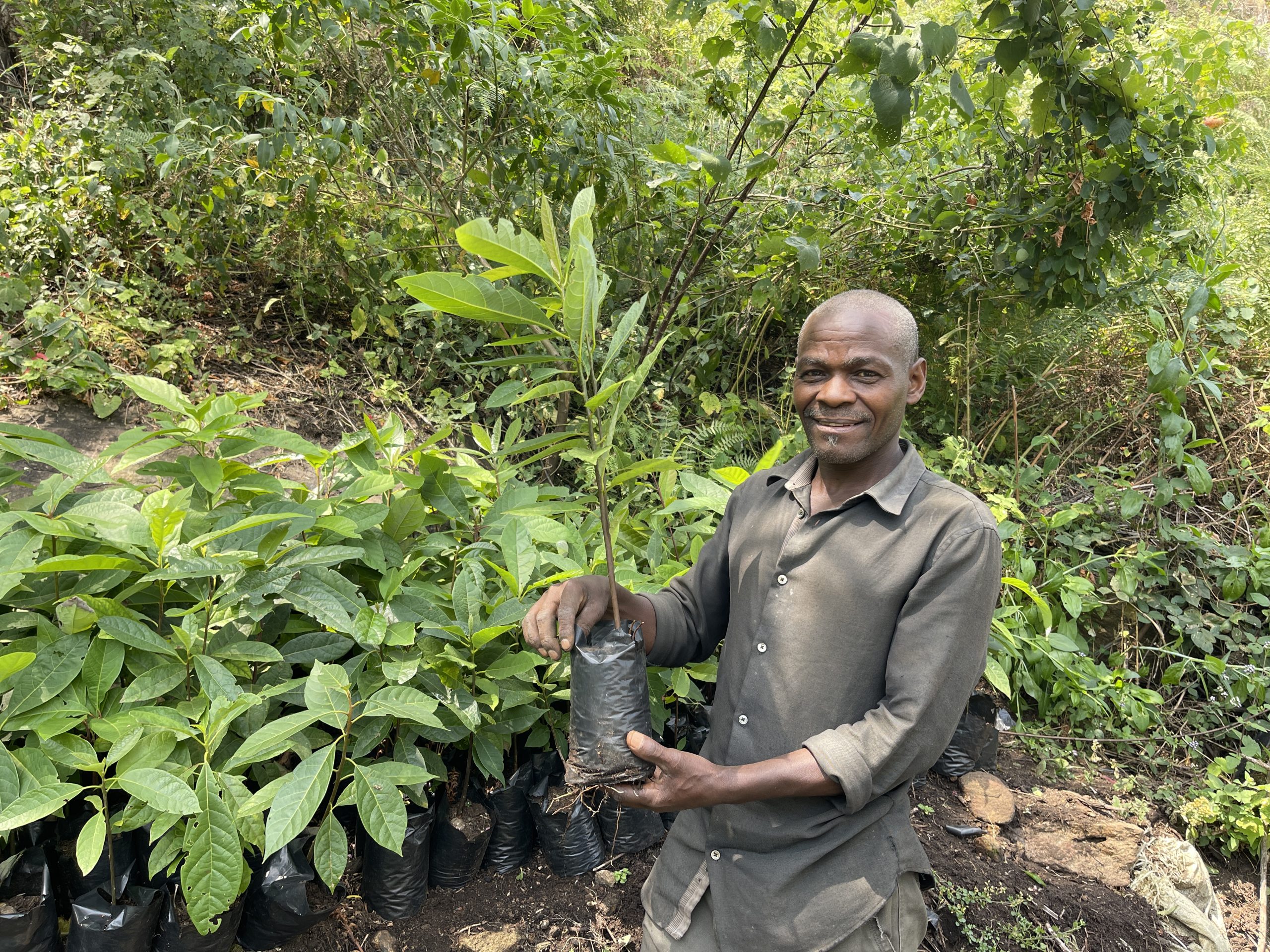
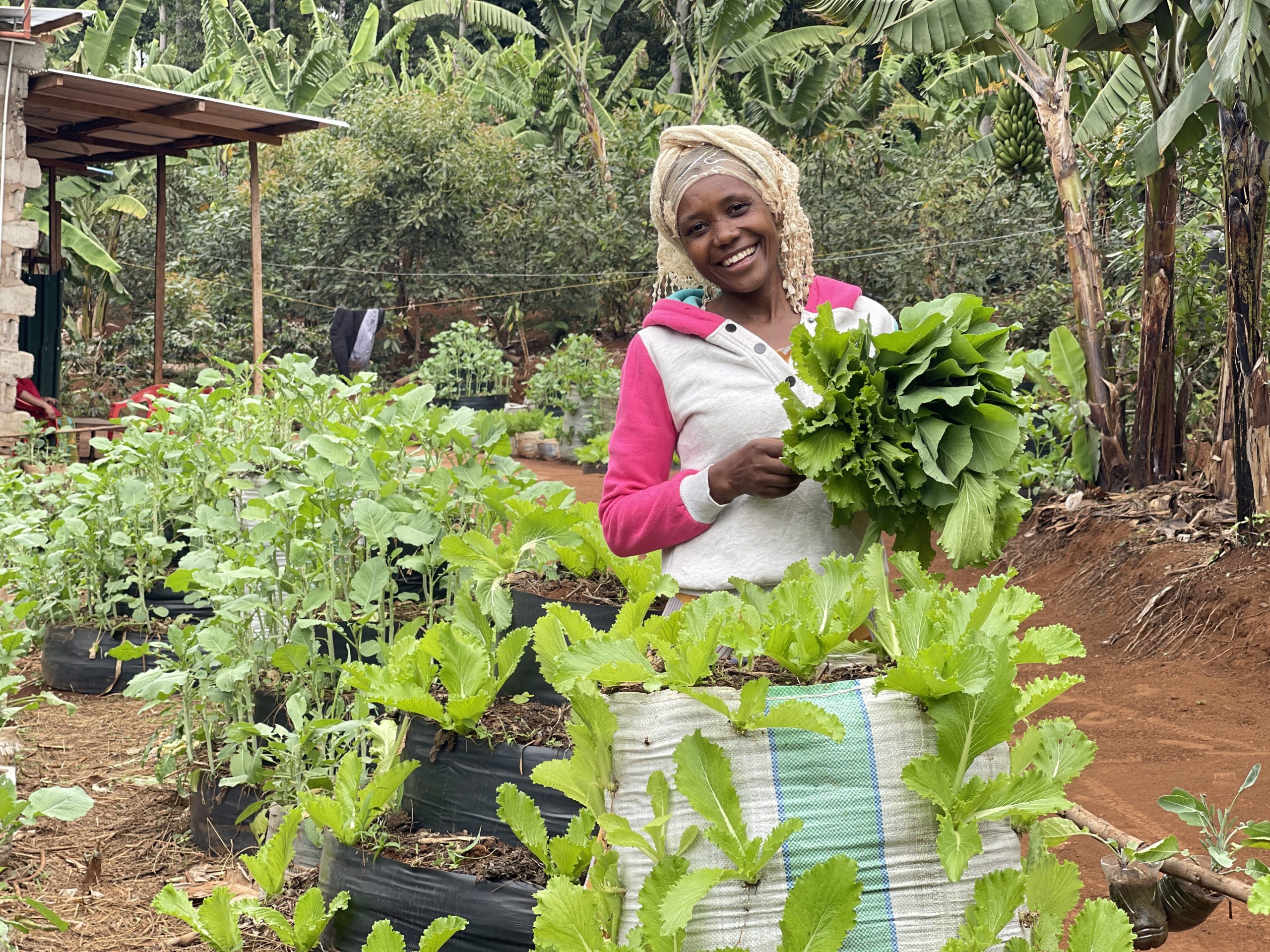
Community members raise and sell tree seedlings, turning an environmentally restorative activity into a source of income when seedlings are sold to fellow farmers, institutions and other community members. Likewise, farmers grow organic vegetables and avocados, using some for household consumption and selling the surplus, generating income while protecting soil health and promoting sustainable farming.
The Environmental Restoration Program also supports livelihoods through the goat project. Beneficiary households raise goats for breeding and sale, while goat milk provides an additional source of food and income. As a herd grows, it becomes a valuable household asset that families can draw on in times of need. For farmers who once depended almost entirely on crop production, the goat project offers another livelihood stream, helping households diversify their income and build greater financial resilience.
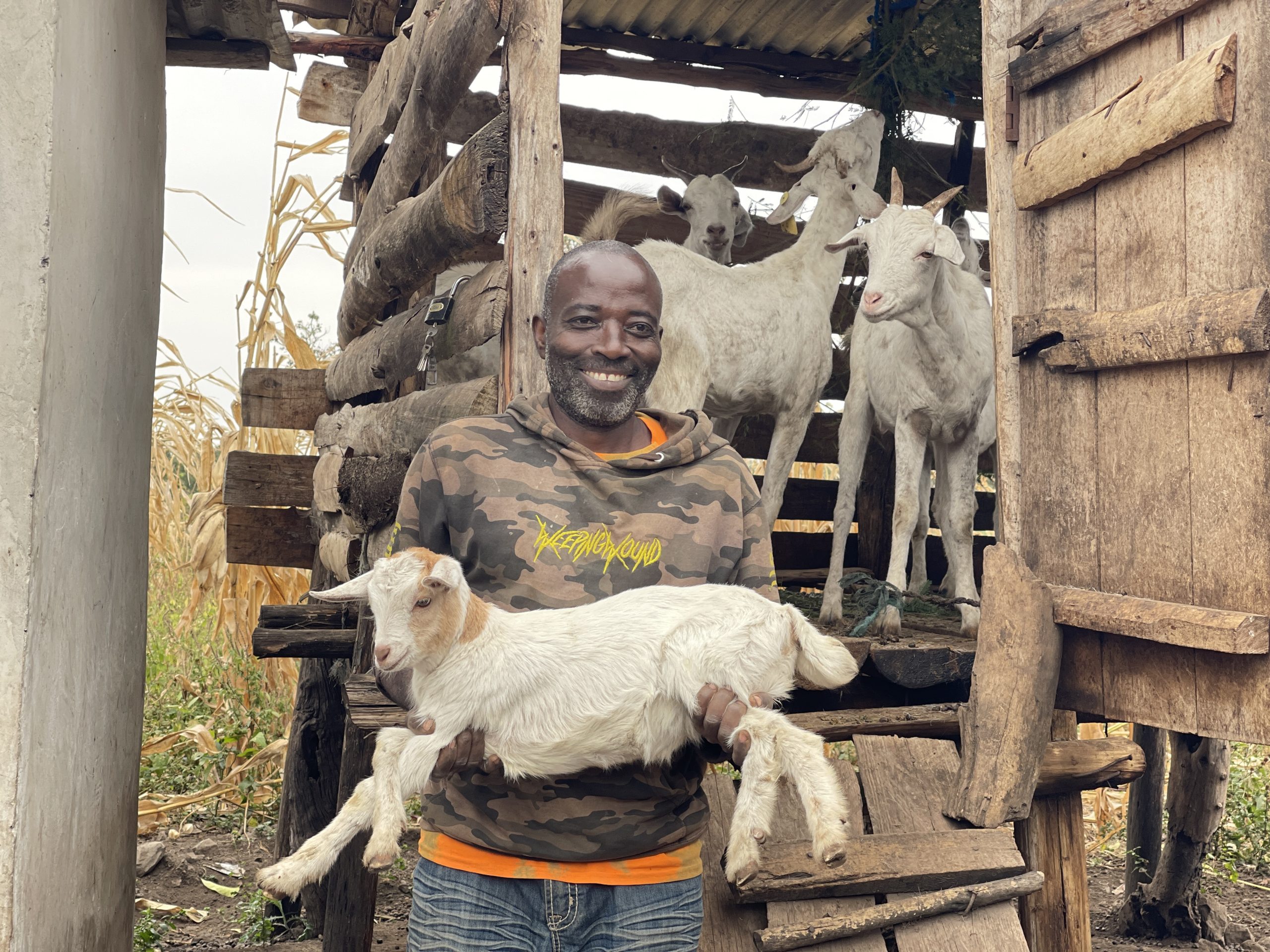
In this way, environmental restoration is never treated as separate from economic empowerment. The same knowledge that helps communities restore their land also helps them build a living from it.
A Holistic Approach to Fighting Poverty
The Spiritual Renewal Program complements these efforts by nurturing values of stewardship, responsibility, compassion, and service. Together, the three programs reflect Floresta Tanzania’s holistic approach to improving the well-being of both people and the environment.
For Floresta Tanzania, fighting poverty is not simply about increasing how much a household earns. It is about equipping people with the skills, knowledge, financial opportunities, and productive assets they need to build diverse, sustainable livelihoods.
Progress and the Road Ahead
This approach is already reshaping the livelihoods of Floresta Tanzania’s beneficiaries. By the end of PY26, 70% of beneficiaries had moved from relying on a single source of income to having more than one, meaning livelihood opportunities are no longer limited to a single activity. A household can now combine farming with a small business, vegetable production, tree seedling sales, or livestock keeping, creating multiple ways to earn and build household assets.
This progress reflects the value of helping people build on what they already have, their land, skills, savings, livestock, and entrepreneurial ideas, while giving them access to new knowledge and financial opportunities.
The journey, however, continues. Floresta Tanzania is working toward ensuring that 100% of its beneficiaries have more than one source of income, strengthening their ability to withstand financial shocks, invest in their future and build a more secure and sustainable life.
More than one source of income means more than earning more. It means more opportunity, greater resilience and a clearer path toward a secure future for every family Floresta Tanzania serves.